If you’re reading this, you’re probably interested in better understanding yourself and what drives human behavior, too.
In this review, we’ll tackle the question: What are the best psychology books on human behavior?
Let’s dive in …
Why Read Psychology Books?
It has been said that there are three main ways to learn about human psychology:
- Read Greek mythology
- Read Carl Jung
- Observe others
Of these three ways, observing others is the most powerful, but reading about the psyche helps inform our observations.
There are at least three significant reasons to learn about the psychology of human behavior:
- Understand yourself and your motivations.
- Learn about and understand other people.
- Change a behavior, thought pattern, or feeling.
- Support self-healing.
- Encourage self-development.
Reading books on human behavior and applying specific insights to your life can be highly instructive and beneficial.
Arguably, the main reason to read psychology books on human behavior is to answer this question:
Why do we do what we do?
How to Select the Best Psychology Books on Human Behavior
In my exploration, I’ve read many psychology books—well over 400 of them.
These books covered fields including:
- Depth psychology
- Humanistic psychology
- Developmental psychology
- Social psychology
- Behavioral psychology
- Cognitive psychology
- Positive psychology
- Ego psychology
- Transpersonal psychology
So, how to select the “best” books on human behavior?
It’s a challenging task because we’re all at different levels of development. The “best book” for one person will undoubtedly be different for another.
I’ve learned the most about human behavior from the Jungian community (depth psychology). However, I’ve already curated a detailed list of Jungian books here.
In this review, we’ll focus on other books that highlight different dimensions of human behavior.
Best Psychology Books on Human Behavior
Here are my top picks for the best psychology books on human behavior (not in any particular order):
Disclaimer: affiliate links below.
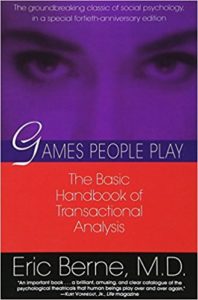
Games People Play by Eric Berne
Berne’s classic from the 60s is still highly relevant today. Transactional analysis examines human behavior through a social lens. Berne highlights that in social relationships, individuals embody one of three different expressions of the ego: the adult, the parent, and the child.
The adult is rational; the parent is critical and nurturing; the child is dependent and intuitive. All three expressions are in each of us, and different social situations trigger different ones, in specific combinations.
Games People Play is a fascinating read if you’re interested in understanding human behavior within various social settings.
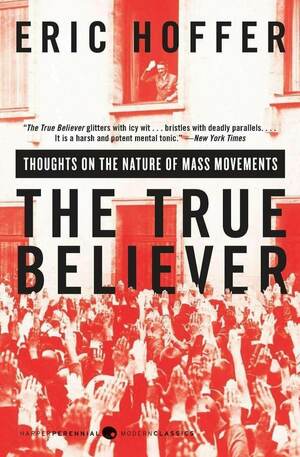
The True Believer by Eric Hoffer
If you’re going to read one book on cult psychology and mass movements, The True Believer is it. The psychology of cults influences so much of society and culture as it plays to a host of unconscious mechanisms within the psyche.
Whether we’re talking about organized religions, mass social movements, cult brands like Harley-Davidson, or destructive cults, the same psychology applies. Hoffer illuminates many key underlying dynamics observable throughout human behavior.
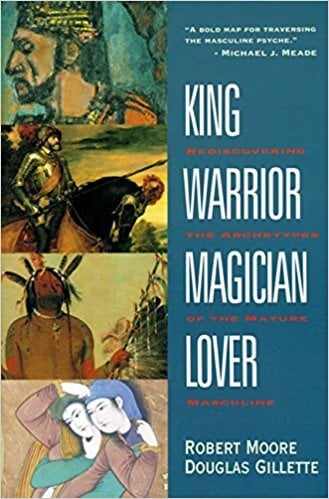
King Warrior Magician Lover by Robert Moore and Douglas Gillette
If you want to understand human behavior, in my opinion, King Warrior Magician Lover (commonly referred to as KWML) is a must-read.
KWML is a wild ride into the psyche. You’ll meet the whole cast of characters, but the real story, in my opinion, isn’t about the four main archetypes in the title. Instead, the insights into human behavior are found revealed through their bipolar shadow counterparts.
In getting to know and understanding these shadow archetypes, we begin to appreciate the forces that rule most human behavior.
For anyone interested in psychology and human behavior, put KWML on your list. Although this title is geared towards men, it’s just as applicable for women.
If you would like to read an introduction to KWML, see this guide: King Warrior Magician Lover: Four Foundational Masculine Archetypes.
Personality Types by Don Richard Riso and Russ Hudson
Working in the coaching field for almost three decades, I explored most, if not all, of the psychological assessments on the market (Myers-Briggs, DISC, Human Design Engineering, etc.) Personality typing systems reveal a great deal about human behavior.
From my experience, the Enneagram is the most robust and functional personality model. To appreciate the depth and robustness of this personality system, read Personality Types. The nine levels of each type illustrate a path for healthy personality development, which is a key differentiating factor between this system and other models.
However, if you’re entirely new to this personality system, The Wisdom of the Enneagram is perhaps the most practical and accessible. The Enneagram by Helen Palmer is also an excellent primer.
The Farther Reaches of Human Nature by Abraham Maslow
Maslow is considered the father of humanistic psychology (the “third wave” of psychology). While most researchers were studying mental illness, Maslow focused on positive mental health. Although all of Maslow’s writings are interesting, I’ve selected The Farther Reaches of Human Nature for this list.
The Farther Reaches was published posthumously. In my opinion, the book is very accessible, and it includes some of Maslow’s best ideas on the importance of creativity in positive mental health.
The Body Keeps the Score by Bessel Van Der Kolk
Technically, The Body Keeps the Score is less about human behavior and more about the cause of most behavioral problems. That is, trauma.
This brilliant book highlights the fact that trauma is stored in the body (something that’s well-documented in Eastern medicine as well). It’s our dissociation from early childhood trauma that causes most of our suffering and mental illnesses in adulthood. This book complements a great deal of the material we cover on this website.
Note: Physician John E. Sarno arrived at similar insights. His body of work illustrates how repressed emotions (especially rage) are the cause of virtually all chronic pain and disease. See, for example, his The Mindbody Prescription.
The Paradox of Choice by Barry Schwartz
Simply put, having too many choices can lead to anxiety and depression—especially when we try to maximize our options. I still remember the effect this book had on me when I read it in 2014.
My awareness and attitude toward “shopping” changed measurably after reading The Paradox of Choice. Are you a “satisficer” or a “maximizer”? The latter comes with a lot of self-imposed suffering.
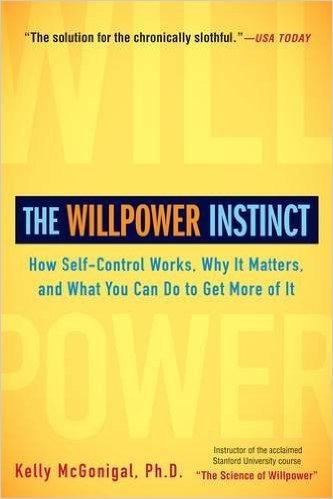
The Willpower Instinct by Kelly McGonigal
McGonigal taught the most popular course at Stanford University’s Continuing Studies program called “The Science of Willpower.”
The Willpower Instinct is essentially that course distilled into a single book. It’s full of compelling research to support its insights on human behavior associated with habits, addictions, and self-control.
But more importantly, the book provides a litany of exercises and practices to cultivate a stronger will.
See my related guide on How to Make Positive Changes.
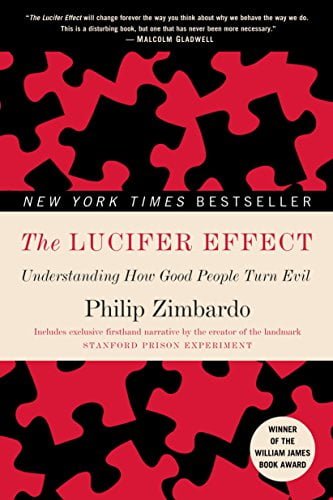
The Lucifer Effect by Philip Zimbardo
Psychology professor Philip Zimbardo’s famed Stanford prison experiment and other related studies reveal the “lesser angels of human nature.” I don’t think you can begin to understand human behavior (and the nature of the psyche) without carefully studying what we call “evil.”
You can get a “Cliff’s Note” version of The Lucifer Effect in Zimbardo’s TED Talk on the psychology of evil.
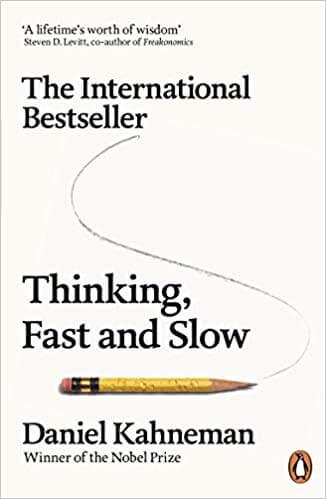
Thinking, Fast and Slow by Daniel Kahneman
Kahneman’s book has become a modern classic—and for good reason. This Nobel laureate in economics explains how two different systems in our minds guide our behavior: one system is conscious and aware, while the other is automatic and impulsive.
Kahneman’s research is the “source material” for dozens of other best-selling psychology books.
In many ways, Kahneman’s research provides “scientific evidence” of the unconscious as described in depth psychology.
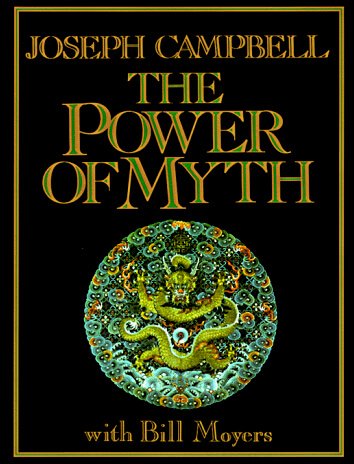
The Power of Myth by Joseph Campbell
I can’t imagine a list of the best psychology books on human behavior without at least one title by famed mythologist Joseph Campbell. As Campbell explains, at its deepest level, mythology is the study of the psyche.
In Flight of the Wild Gander, Campbell explained, “Mythology is psychology, misread as cosmology, history, and biography.”
Most of Campbell’s work can be a bit “dense” for the average reader; however, The Power of Myth is different. The Power of Myth is the transcript of an extensive PBS interview Campbell did with Bill Moyers.
I would recommend the video version over the book, mainly because of the additional visuals in the presentation. Also, if you want to take a masterclass on Eastern and Western psychology, see Campbell’s 3-part lecture series, Mythos. There’s nothing else like it.
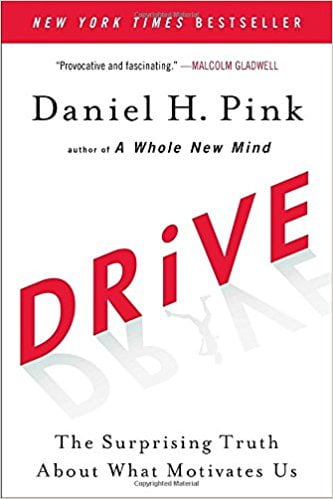
Drive By Daniel Pink
Through engaging research and storytelling, Pink draws on lessons from self-determination theory to illuminate what drives human behavior—especially in the context of our work.
Here’s a three-second summary: the answer is purpose, autonomy, and mastery. It’s a very accessible read. Pink’s Drive shows why “carrot and stick” motivation doesn’t work and how money is certainly not the primary driver of motivation.
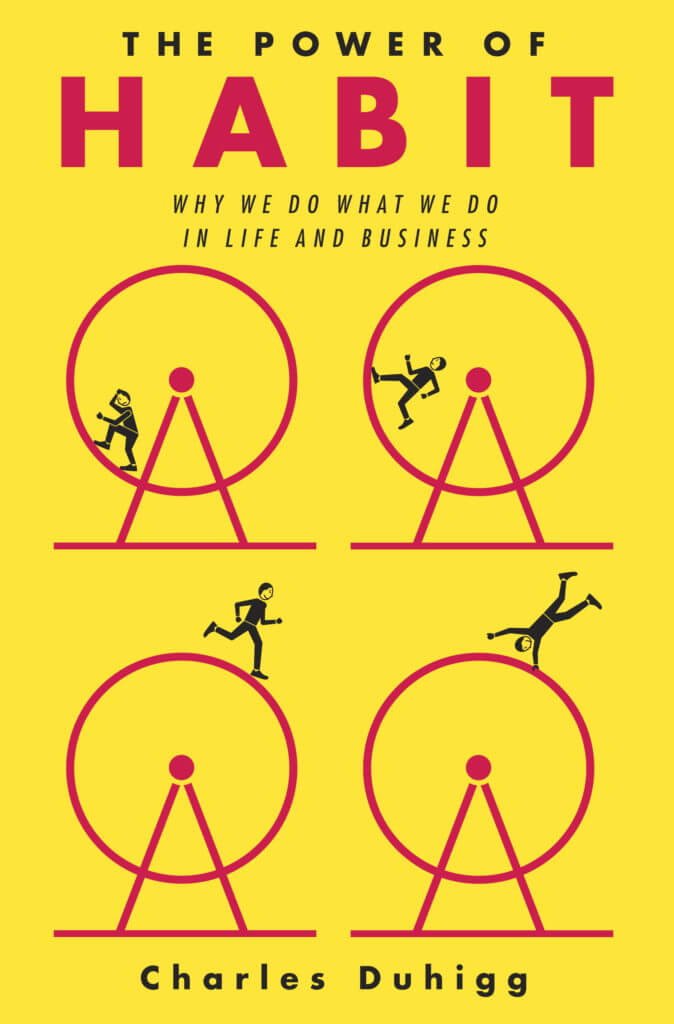
The Power of Habit By Charles Duhigg
The Power of Habit is another important read on the topic of human behavior and behavioral change. Charles Duhigg’s The Power of Habit is more popular and entertaining than The Willpower Instinct.
However, if I had to recommend one book on the topic of habit and self-control, The Willpower Instinct has the edge because of the structure and practical methods McGonigal outlines in her book.
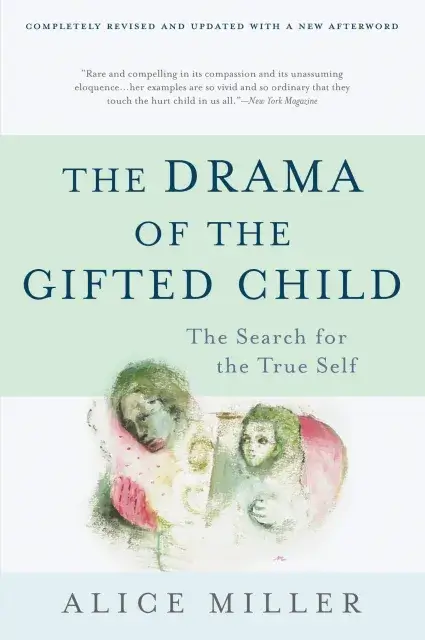
The Drama of the Gifted Child by Alice Miller
Anyone who bravely explores the depth of their psyche will come to know their trauma.
Alice Miller’s revealing book, The Drama of the Gifted Child, provides insight into how this trauma unfolded and how to relate to these human behaviors in adulthood.
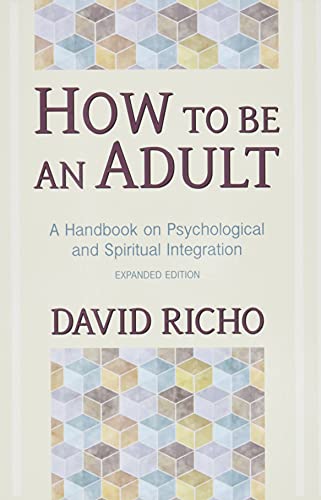
How to Be an Adult by David Richo
If you’re looking for a handbook on understanding human behavior and how to psychologically develop yourself, How to Be an Adult may be right for you. This concise, 120-page book is jam-packed with valuable insights and practices.
In How to be an Adult, Richo sets the development of our psychology in the hero’s journey framework, exploring the “challenges” we face in approaching adulthood. These challenges take us into what we tend to resist the most: our grief, fears, anger, and guilt.
Richo’s handbook isn’t something you read once and set aside. You carry it with you, referring back often. Don’t be fooled into believing that adulthood comes naturally with age. If everyone read this book—and lived the practices contained within it—I’m confident we would live in a very different world. But that change starts with each of us.
Explore Human Behavior More Deeply
From my perspective, the best psychology books on human behavior address the unconscious and the nature of the psyche itself.
The challenge with exploring the unconscious is that it can be dark, chaotic, messy, and sometimes irrational (from the perspective of our conscious minds).
In exploring the unconscious realm, we enter the world of symbols, images, myths, dreams, and fairy tales.
Ready to go deeper?
If so, check this review of the 21 best books by Carl Jung and the Jungians.
Read Other Guides on Human Behavior
A Practical Guide to Maslow’s Basic Human Needs for Understanding Motivation
A Practical Guide to Joseph Campbell’s Hero’s Journey
How to Change Your Fixed Mindset to Growth: A Definitive Guide
Spiral Dynamics Integral: How to Use Graves’ Values Model for Psychological Development