
Here’s a review of the best personal development books based on my experience reading hundreds of them over the last three decades.
For each selection, I’ll provide a brief explanation of why each book made the list.
Let’s dive in …
Theoretical versus Practical Books
In the classic How to Read a Book, Adler and Doren explain that there are two types of books: theoretical and practical.
An example of a theoretical book is Plato’s The Republic. It’s an important book that illuminates many insights into the good life and the pursuit of justice.
But it doesn’t necessarily provide clear instructions on what we should do right now.
That’s the role of practical books. Practical books provide methods. These titles are sometimes referred to as “how-to,” “self-improvement,” or “self-help.”
Self-Help versus Personal Development Books
But “self-help” has the wrong connotation here, in my opinion. It implies that there’s something inherently wrong with us. There isn’t.
Also, many books within the self-help genre focus exclusively on how to achieve more. We might call this “success literature.”
Classic titles in this category include Napoleon Hill’s Think and Grow Rich, Og Mandino’s The Greatest Salesman in the World, and Dale Carnegie’s How to Win Friends and Influence People.
These books may be helpful when starting your professional life, as they might inspire you.
From my perspective, personal development books include success but go deeper. Personal growth implies we’re all on a developmental path.
With the proper practices and methods, we can progress on this path, actualize more of our potential, and fundamentally transform ourselves.
The Goal of Self-Actualization Books
The best personal development books should do the following:
- Provide actionable insights and clear methods you can apply right away
- Improve aspects of your behavior that support you through the stages of learning
- Address common roadblocks that hijack your progress
- Make clear distinctions that make it easier to develop and grow
Simply put, the best personal development books support your self-actualization.
When you apply what you read in these books, you make progress.
My Top Picks for the Best Personal Development Books
Although I enjoy reading mind-expanding, theoretical books, I’ve come to appreciate the difference between what I know and what I am.
Knowledge (what we can know) comes relatively easily; beingness (what we can become) takes practice.
While theoretical books can inspire us, only practical books provide us with a means to actualize our potential. Of course, some books are both theoretical and practical.
So for the most part, in hand-picking a list of the “best personal development books,” I’ve focused mainly on practical titles for self-actualization.
Disclaimer: affiliate links below.
The Best Personal Development Books
Listed in no particular order, here are my picks for the best personal development books:

1) How to Read a Book
by Mortimer J. Adler and Charles Van Doren
If you’re a serious reader of nonfiction books, the classic How to Read a Book will up your game. It’s one of those books everyone should have read during their school years.
It’s unlikely that after reading this book, you’ll approach reading books in the same way again.
Why Read It
Although most people don’t realize it, reading a book effectively is a skill. How to Read a Book teaches you how to engage in reading in an active way that facilitates learning and the integration of ideas.
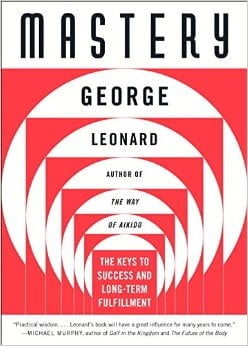
2) Mastery: The Keys to Success and Long-Term Fulfillment
by George Leonard
Leonard is one of the pioneers in personal coaching and the “human potential movement” (he coined the term). A third-degree black belt in Aikido, Leonard ran an Aikido school and was the president of the Esalen Institute.
In Mastery, Leonard demonstrates his knowledge and experience as someone walking the path toward self-mastery and self-actualization.
Why Read It
Mastery of any skill or aspect of development follows particular stages with common pitfalls. If you understand this process up front, it makes development more fluid and enjoyable.
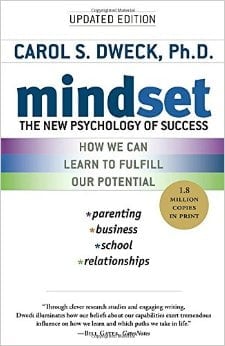
3) Mindset: The New Psychology of Success
by Carol Dweck
Dweck’s modern classic in the success genre is both sobering and enlightening. Her multi-decade psychological study on mindsets reveals how important it is to understand the true nature of our development and how learning works.
Mindset is sobering because it exposes how parents and teachers have installed a highly limiting fixed mindset in children for many generations.
The societal effects are showing. If you’re a parent, consider this book mandatory reading.
Why Read It
Everyone should read Mindset because we’re all influenced, to varying degrees, by a fixed mindset that prevents us from realizing our full potential in our intelligence, behavior, or personality. The implications of Dweck’s research are far-reaching.

4) The Little Book of Talent
by Daniel Coyle
Coyle’s first book, The Talent Code, broke down the basic ingredients of creating world-class talent and skill.
The Talent Code is a worthwhile read, but for practical, research-based tips on how anyone can improve their abilities, The Little Book of Talent is the answer.
Why Read It
This book contains so many little gems—awesome hacks you can apply immediately to accelerate your learning and skill development. It’s an excellent self-actualization book.

5) The Power of Full Engagement
by Jim Loehr and Tony Schwartz
Loehr and Schwartz published one of the most important books on personal performance back in 2003. I believe it’s still one of the best personal development books. While many people are obsessed with “time management,” these performance experts illuminate that what we’re truly looking for is more energy. Breaking energy into the four core categories of physical, mental, emotional, and spiritual, The Power of Full Engagement walks you through multiple ways of actualizing more of your potential in each area.
Why Read It
It isn’t easy to articulate how important it is to learn energy management skills if you’re self-actualizing and engaged in personal development. Managing your energy is itself a skill related to intrapersonal intelligence. This bestseller will change the way you work, train, and approach everything.
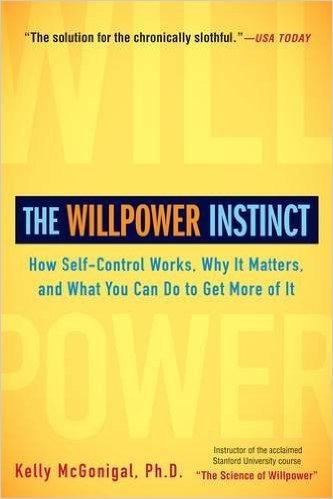
6) The Willpower Instinct
by Kelly McGonigal
McGonigal taught the most popular course at Stanford University’s Continuing Studies program called “The Science of Willpower.”
The Willpower Instinct is essentially that course distilled into a single manual. It’s full of compelling research to support its insights. But more importantly, the book provides a litany of exercises and practices to cultivate a stronger will.
Why Read It
Willpower, self-control, and habit formation are essential topics for anyone interested in self-actualization. There are a host of personal development books that address this issue, and many of them—including this one—are worth the read.

7) Essentialism: The Disciplined Pursuit of Less
by Greg McKeown
McKeown addresses a central concern in a culture that’s obsessed with doing more, faster, and bigger.
Every step you make from being what McKeown calls a non-essentialist to an essentialist is a movement toward a more fruitful way of being.
Why Read It
Self-actualization requires a tremendous amount of focus. The more distracted and scattered you are, the more you’re moving away from your personal development.
Essentialism will help you learn to say “no” and focus on what’s most important to you.

8) Integral Life Practice
by Ken Wilber, et al.
Okay, so Ken Wilber didn’t actually write this book. He had a small team of people write it, and he reviewed the process.
If you’re not familiar with Wilber, he was considered by many to be America’s foremost philosopher and theorist. Decades of his research and writing led to the development of an Integral Model of human development.
But that’s all theory. Integral Life Practice builds on Wilber’s herculean efforts by creating a blueprint for personal development.
This integral framework is presented in modules like Body, Mind, Spirit, and Shadow. You can explore whichever module speaks most to you and then experiment with the litany of practices and methods to expand your mind of what’s possible as you grow your various lines of intelligence.
Why Read It
The reality is that most of us don’t have a conscious framework for personal development. Without a roadmap, we invariably avoid developing specific aspects of ourselves due to our blind spots.
See also: 7-Steps to Crafting a Self-Development Roadmap that Inspires Meaningful, Long-Term Results
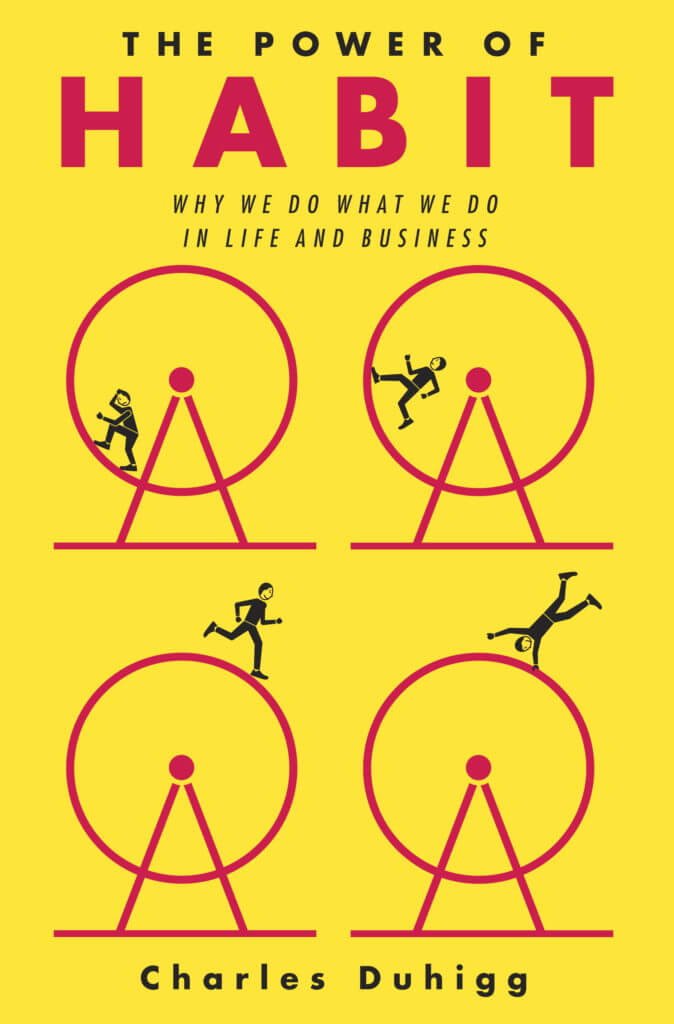
9) The Power of Habit
by Charles Duhigg
The Power of Habit is a wildly popular and entertaining read on the topic of behavioral change. It’s similar in focus to The Willpower Instinct. Both are worthy reads, in my opinion.
Why Read It
Creating habits that support your personal development efforts is essential to ensure you’re making consistent progress.
See also my guide on How to Make Positive Changes for a summary of these insights.
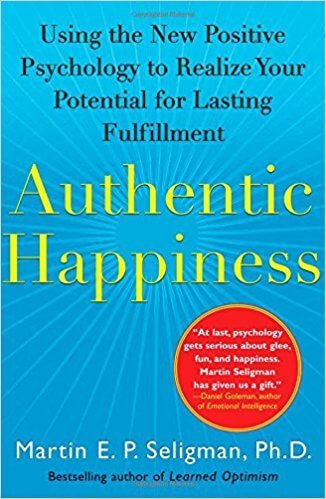
10) Authentic Happiness
by Martin Seligman
Seligman is considered the father of the positive psychology movement. What I appreciate most about Authentic Happiness is that Seligman provides practical methods for increasing one’s level of happiness based on decades of research in the field.
Seligman demonstrates that lasting fulfillment is found not in fleeting pleasures but in cultivating our natural strengths. Perhaps you’ve heard about the research on the benefits of maintaining a gratitude journal.
This personal development book is one of the first I’m aware of that highlights this research.
Why Read It
This book is about actualizing your potential to experience more contentment in your life. This book inspired my guide to authentic happiness.

11) The 7 Habits of Highly Effective People
by Stephen Covey
Covey’s best-selling classic, The 7 Habits of Highly Effective People, helps clarify the key behaviors necessary for consistent effectiveness.
It’s difficult to imagine a list of the best personal development books without this one. It has sold over 25 million copies for a reason.
Why Read It
The 7 Habits is highly accessible and easy to read, offering valuable insights into how to develop key habits that will positively impact every aspect of your life.

12) The ONE Thing
by Gary Keller and Jay Papasan
This book covers many key principles that I have written about and used in my coaching practice for almost three decades.
The One Thing overlaps with Essentialism in some ways, but both are worthwhile reads if this is an area of interest to you.
Why Read It
Learning to focus on specific outcomes or results that are meaningful to you while cutting away the “noise” is an essential skill for self-actualizing individuals.
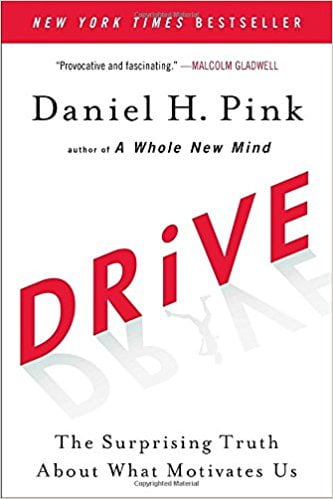
13) Drive: The Surprising Truth About What Motivates Us
by Daniel Pink
Through engaging research and colorful storytelling, Pink draws on lessons from self-determination theory to illuminate what drives us—especially in the context of our work.
Here’s a three-second summary: the answer is purpose, autonomy, and mastery.
Why Read It
Tapping into drivers like purpose, autonomy, and mastery supports our self-actualizing process.
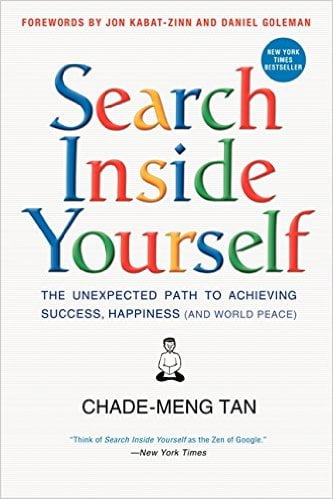
14) Search Inside Yourself
by Chade-Meng Tan
Chade-Meng Tan was one of the first engineers at Google. Years later, he helped launch the Search Inside Yourself Institute, a leadership program within Google.
The program synthesizes the work of psychologists Jon Kabat-Zinn and Daniel Goleman, neuroscientist Richard Davidson, and others.
At its core, Search Inside Yourself is a mind training program in emotional intelligence, the critical factor in outperforming leadership.
Why Read It
Not only is this book an accessible, practical introduction to emotional intelligence with clear practices and methods, but it’s also an excellent summary of dozens of other great personal development books rolled into one.
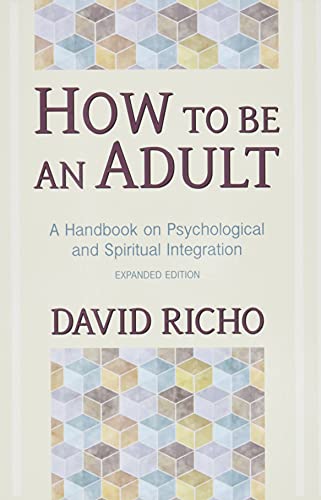
15) How to Be an Adult
by David Richo
If you were going to read only one book about psychological development, consider this one. It truly is a “handbook.” It’s not beautifully written.
But this little book is jam-packed with useful insights and practices for psychological development. There’s no “fluff,” which is why it covers so much ground in only 120 pages.
In How to be an Adult, Richo sets the development of our psychology in the hero’s journey framework, exploring the “challenges” we face in approaching adulthood.
These challenges take us into what we tend to resist the most: our grief, fears, anger, and guilt.
Why Read It
Richo’s handbook isn’t something you read once and set aside. You carry it with you, referring back often.
Don’t be fooled into believing that adulthood comes naturally with age. If everyone read this book—and lived the practices contained within it—I’m confident we would live in a very different world. But that change starts with each of us.
Why Read the Best Personal Development Books?
If you apply the lessons and insights in the best personal development books listed above, they can transform who you are in the process of becoming (self-actualization).
All of these personal development books are courses in themselves.
You can return to them time and again, discovering new insights and strategies that apply to your current stage of self-development.
Read Next
15 Best Books in Psychology on Human Behavior
The Ultimate List of 120 Good Habits