
Most lists of “best self‑help books” recycle the same titles without context. This guide is different.
For over three decades, I’ve explored hundreds of books on growth and transformation to identify those that deepen understanding instead of promising quick success.
Each book here offers usable frameworks you can live with: practices for clarity, mastery, and meaning. They expand who you are becoming—the essence of personal development.
This guide is part of the Self‑Actualization & Human Potential hub, which explores how to cultivate authentic fulfillment through integrative human‑development frameworks.
Let’s dive in …
Understanding the Psychology of Personal Growth
Personal development is the scientific study and deliberate practice of how human beings expand awareness, competence, and moral maturity.
Psychologist Abraham Maslow called this movement “self‑actualization” —the desire to become everything one is capable of becoming.
Growth follows recognizable stages.
We begin by meeting basic needs, progress through belonging and esteem, and ultimately strive for mastery and meaning.
Modern self‑determination theory confirms that lasting motivation arises from autonomy, competence, and purpose—not external reward (Deci & Ryan, 1985).
The books that endure guide readers through these layers—linking insight to action so knowledge becomes character.
The Difference Between Self‑Help and Personal Development
Self‑help literature often assumes we are broken and need fixing.
Personal development begins from a different premise: that growth is a natural unfolding already built into human potential.
Classic “success” titles—like Think and Grow Rich or How to Win Friends and Influence People—focus on external achievement.
Developmental works guide inner alignment: values, focus, and moral imagination.
Readers drawn to our in‑depth guides want frameworks, not slogans—living systems of practice that evolve with experience.
From Knowledge to Being: What Makes a Book Transformative
Information changes minds; practice changes identity.
A transformative book introduces patterns you can embody, not merely concepts to remember.
When reflection meets repetition, cognition rewires biology—synapses that fire together wire together.
Neuroscience confirms that consistent mental rehearsal and active reading create lasting behavioral change (Kandel et al., 2000).
Great books don’t just explain what to do—they shape how to perceive yourself while doing it. Transformation happens when ideas migrate from intellect to instinct.
Top 15 Personal Development Books That Inspire Real Change
Some books illuminate philosophy; others teach method.
The best connect the two—transforming ideas into repeatable practice. These fifteen selections combine psychology, neuroscience, and virtue ethics with lived discipline.
Each one can help you build self‑knowledge, focus, and meaningful direction.
Whether you seek mastery, energy management, or emotional balance, study them sequentially.
The later titles assume you’ve wrestled with the earlier ones. Read slowly, apply deliberately, and return often; true comprehension unfolds through repetition.
Disclaimer: affiliate links below.
Listed in no particular order, here are my picks for the best personal development books:

1) How to Read a Book — Mortimer J. Adler & Charles Van Doren
When you know how to read, any subject becomes a teacher. This classic outlines the anatomy of learning—inspectional, analytical, and syntopical reading—each level demanding deeper engagement.
Its gift isn’t speed but discernment: distinguishing knowledge from noise. Developing this meta‑skill expands every line of thinking you study afterward. For self‑actualizing students, comprehension itself becomes a daily meditation.
Internal Practice Tip: Before starting any new book, sketch three questions you want answered. The act of questioning primes comprehension and retention.
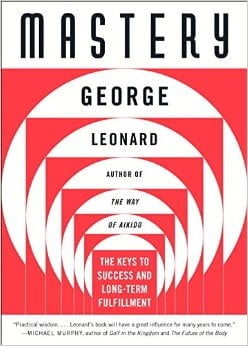
2) Mastery: The Keys to Success and Long‑Term Fulfillment — George Leonard
Leonard—pilot, aikido teacher, and human‑potential pioneer—explains why growth unfolds in plateaus punctuated by leaps. His insight: commitment matters more than intensity.
Unlike achievement guides, Mastery reveals the temperament required for sustained excellence: patience, humility, and steady practice. The “master’s curve” bends slowly toward intuition.
Leonard’s stage model parallels neural consolidation; repetition stabilizes pathways while enthusiasm steadies motivation (Ericsson et al., 1993). Reading it reminds us that discipline is not rigidity—it’s devotion in action.
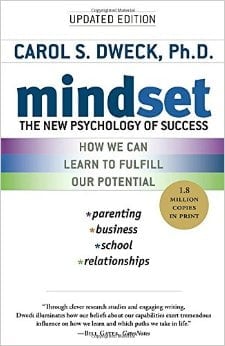
3) Mindset: The New Psychology of Success — Carol Dweck
Dweck’s decades of research on fixed vs growth mindsets reframed modern learning theory. She shows how belief systems about intelligence silently script performance.
For the developing leader or parent, this guide translates abstract psychology into interventions you can use daily: praise effort, model curiosity, frame failure as feedback.
When applied consistently, her growth principles cultivate what Maslow called being‑motivation—goals that arise from genuine interest rather than fear or approval.
That shift marks a turning point on the self‑actualization path.

4) The Little Book of Talent — Daniel Coyle
Coyle distills two decades of research on elite achievement into concise, practical cues.
Each exercise strengthens what he calls “deep practice”—focused repetition at the edge of ability.
Pair it with this guide on Peak Experiences and Flow States to see how to silence the inner critic and accelerate skill development.
The book’s core claim: greatness results from attention to process, not from genius.
This principle reframes talent development as the craftsmanship of the mind rather than competition.

5) The Power of Full Engagement — Jim Loehr & Tony Schwartz
We don’t lack time; we mismanage energy.
Loehr and Schwartz explain that physical, emotional, mental, and spiritual energy all require rhythmic renewal.
By balancing stress and recovery, we stay creative instead of reactive.
Their four‑energy model parallels intrapersonal intelligence—the ability to regulate one’s inner state.
Integrating this framework with Intrapersonal Intelligence concepts transforms productivity into purposeful vitality.
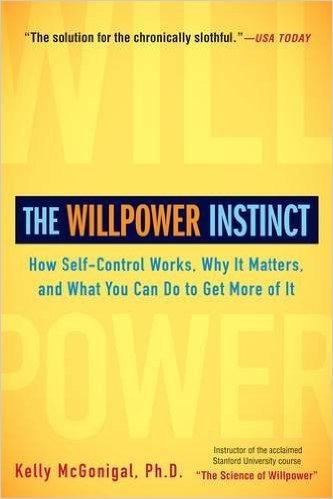
6) The Willpower Instinct — Kelly McGonigal
Drawn from Stanford’s “Science of Willpower” course, McGonigal merges neuroscience with daily self‑control strategies.
Short meditations, breathing drills, and reflection tasks retrain impulsive patterns.
Her central lesson: willpower is a limited energy, not a moral virtue. Learning to recharge it through rest and mindfulness unlocks consistent follow‑through.

7) Essentialism: The Disciplined Pursuit of Less — Greg McKeown
Modern culture equates busyness with value. McKeown flips that equation: focus is freedom.
He argues that uncovering purpose demands subtraction, not addition.
Every “no” strengthens your highest “Yes.”
Apply his method to refine your daily habits from multitasking to single‑tasking—the hallmark of mastery.

8) Integral Life Practice — Ken Wilber et al.
Wilber’s team synthesizes body, mind, spirit, and shadow into a comprehensive framework for living an integral life.
Each module introduces modular practices—nutrition, meditation, ethics—that cultivate balanced awareness.
Use this alongside CEOsage’s Personal Growth Plan Guide to design a custom routine that sustains growth across multiple lines of intelligence.
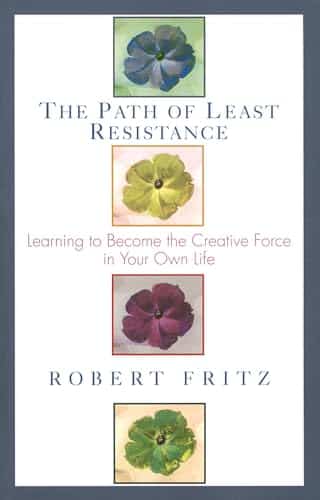
9) The Path of Least Resistance — Robert Fritz
Fritz reveals how behavior follows structure. When the inner architecture of your goals and beliefs conflicts, effort dissipates; align them, and flow emerges naturally.
Instead of fighting habits, he teaches “structural tension”—a principle drawn from music and systems theory showing how clear vision plus current truth produces creative energy.
In practice, you design environments that make the desired action the easiest path. Pair this concept with Self‑Leadership to see how structure shapes freedom.
It’s one of the most underrated texts on conscious creation and psychological architecture.
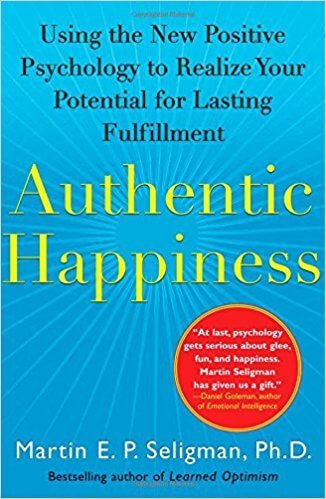
10) Authentic Happiness — Martin Seligman
The founder of positive psychology demonstrates that lasting fulfillment depends on strengths and purpose, not temporary pleasure.
Exercises in gratitude and virtue strengthen neural pathways toward optimism.
This aligns with Aristotelian eudaimonia—the art of living well—not merely feeling good.
Getting to know your character strengths is a critical aspect of Seligman’s findings.

11) The 7 Habits of Highly Effective People — Stephen Covey
Covey organized timeless moral principles into seven practices for character development.
Its enduring appeal lies in sequencing: from internal mastery (“Be Proactive”) to external synergy (“Think Win‑Win”).
Each habit links self‑awareness to service, making it a bridge between personal ethics and leadership.
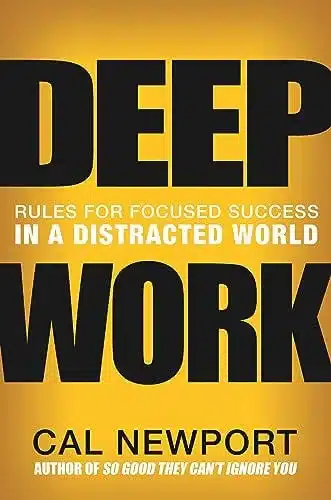
12) Deep Work: Rules for Focused Success in a Distracted World — Cal Newport
Newport defines “deep work” as cognitively demanding activity performed in full concentration.
Amid a world of perpetual notification, he argues that focus is the new intellectual currency.
By designing boundaries—rituals of disconnection, scheduled creation, and intentional solitude—you recover the attentional depth necessary for mastery.
Pair these ideas with Self‑Discipline and Flow Practices to link concentration with peak performance.
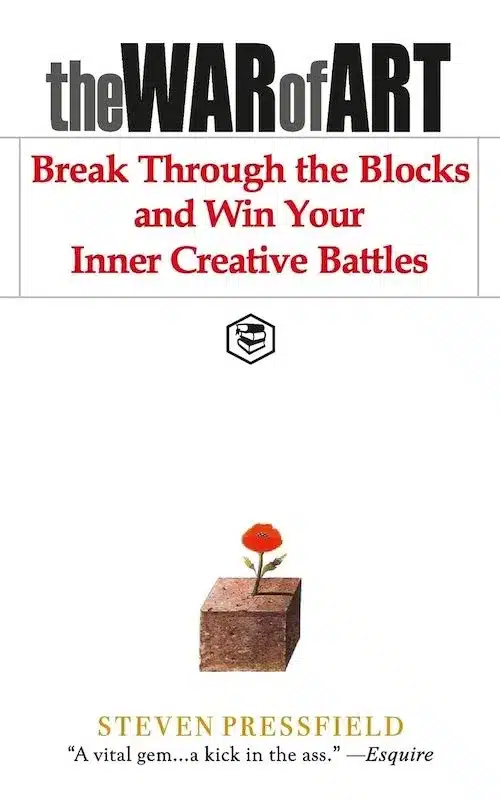
13) The War of Art — Steven Pressfield
Pressfield personifies the invisible barrier between intention and execution as “Resistance”—a force that blocks every creative or moral leap.
His remedy is neither hype nor positivity, but professionalism: show up daily, serve the work, detach from outcome.
This makes The War of Art a modern manual on discipline as a spiritual practice.
Read it beside Self‑Mastery to see how commitment turns fear into focus.
In the end, growth is not about ease but about meeting Resistance as a teacher—the final threshold before self‑actualization.
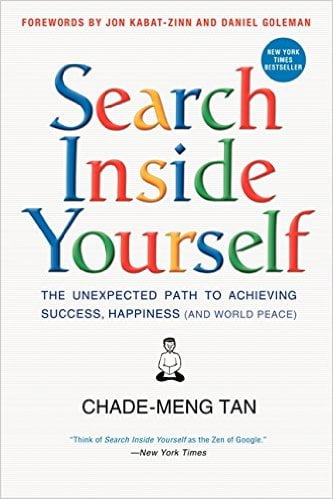
14) Search Inside Yourself — Chade‑Meng Tan
Tan brings mindfulness training into a corporate context.
Combining Goleman’s emotional intelligence research with Jon Kabat‑Zinn’s mindfulness practice, he offers concise protocols that improve focus and empathy.
The book complements CEOsage’s guide on Emotional Awareness and shows how self‑regulation drives both clarity and compassion.
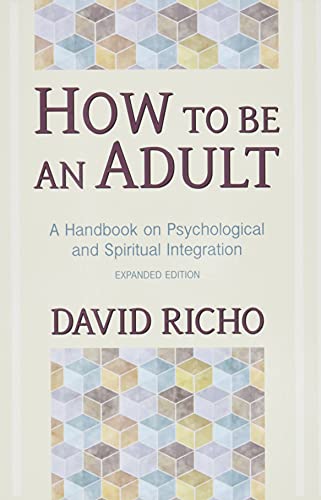
15) How to Be an Adult — David Richo
Richo reframes adulthood as initiation rather than age.
Drawing on mythic psychology and the Hero’s Journey, he guides readers through grief, fear, and guilt toward wholeness.
Each chapter couples insight with practice—boundaries, forgiveness, acceptance—making it a manual for psychological maturity.
This work closes the learning loop: self‑actualization as integration of light and shadow.
How to Apply What You Read
Reading changes nothing until the lesson becomes behavior. The following stages turn intellectual insight into lived transformation.
The Integration Process: Reflection, Practice, Embodiment
First comes reflection — pausing before the next chapter to identify one core idea worth testing.
Second is practice — design one daily action that expresses that idea.
Finally comes embodiment — sustained repetition until the habit feels natural.
This three‑part rhythm mirrors how neural circuits consolidate learning.
Each time you act on an insight, the brain shifts from awareness to initiation, from knowing to being.
Common Pitfalls on the Path of Growth
Many readers mistake information for progress. Collecting new ideas and methods without integration disperses focus—the opposite of self‑mastery.
Another trap is comparison: measuring your pace against others instead of staying loyal to your current developmental edge.
The antidote is rhythm: read slowly, apply deliberately, rest consciously. Depth always outpaces speed in the architecture of growth.
Designing Your Personal Development Roadmap
Building a roadmap converts inspiration into direction.
Begin by identifying one guiding motive—curiosity, autonomy, or service.
Then align every practice, reading choice, and goal around that center.
Use the Wheel of Life Assessment to map balance across domains, followed by a quarterly review.
When small actions align with core values, growth becomes self‑sustaining.
Read Next
Best Psychology Books That Reveal Human Behavior
Best Carl Jung Books: Essential Jungian Psychology Reading Guide
Ultimate List of Habits—185 Good & Bad Habits By Category
Intrinsic Motivation: An In‑Depth Guide with Real‑World Examples
This guide is part of the Self‑Actualization & Human Potential Series.
Learn evidence‑based frameworks integrating psychology, motivation, and virtue ethics to uncover your highest capacities and cultivate authentic fulfillment.
Scholarly References
- Deci, E.L., & Ryan, R.M. (1975). Intrinsic Motivation and Self-Determination in Human Behavior. Perspectives in Social Psychology.
- Kandel ER, Squire LR. Neuroscience: breaking down scientific barriers to the study of brain and mind. Science. 2000 Nov 10;290(5494):1113-20.
- Ericsson, K. A., Krampe, R. T., & Tesch-Römer, C. (1993). The role of deliberate practice in the acquisition of expert performance. Psychological Review, 100(3), 363–406.